High blood pressure, also known as hypertension, is the #1 controllable risk factor for heart disease and strokes. It is sometimes called the “silent killer” because it rarely causes symptoms. It is not unusual for the first sign of high blood pressure to be a heart attack or stroke.
High blood pressure is very common. It affects about half of American adults.
Unfortunately, only one in five people with high blood pressure have it under good control. Many people with hypertension do not even know that they have it. Others may not realize that their blood pressure is too high or the dangers of uncontrolled high blood pressure. This leads to heart and blood vessel damage that could be prevented if the high blood pressure was diagnosed and controlled.
Knowing and controlling your blood pressure can significantly reduce your risk of heart disease and strokes.
Understanding High Blood Pressure
Blood pressure is the pressure of the blood pushing against the artery walls.
When blood pressure is measured, two numbers are recorded:
- The top number, known as the Systolic Blood Pressure, measures the pressure in the arteries when the heart muscle contracts
- The bottom number, known as the Diastolic Blood Pressure, measures the pressure in the arteries when the heart muscle relaxes
Healthcare providers use the following definitions to diagnose high blood pressure:
Normal Blood Pressure
Systolic: less than 120 mm Hg AND
Diastolic: less than 80 mm Hg
Elevated Blood Pressure
Systolic: 120–129 mm Hg AND
Diastolic: less than 80 mm Hg
High Blood Pressure (hypertension)
Systolic: 130 mm Hg or higher OR
Diastolic: 80 mm Hg or higher
Risks of Uncontrolled High Blood Pressure
High blood pressure overloads and damages the heart and blood vessels.
Uncontrolled hypertension increases the risk of:
Heart attacks
心力衰竭
Strokes
失智
Vision loss
Kidney disease
Sexual dysfunction
Monitoring Blood Pressure
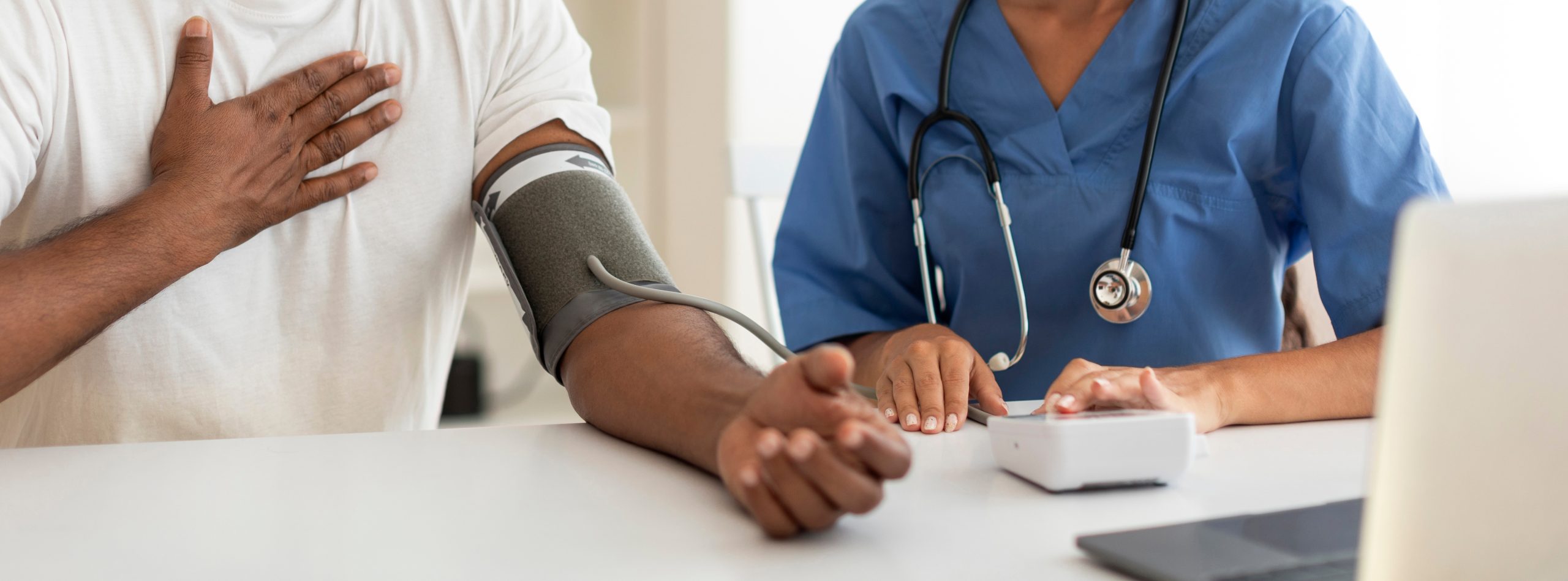
The key to avoiding complications of high blood pressure is to know your numbers. Because hypertension rarely causes symptoms, measuring blood pressure is the only way to know if it is too high.
All adults should have their blood pressure checked at least once a year. People with high blood pressure should have their blood pressure monitored more frequently.
You can measure your blood pressure at:
- A clinic
- A pharmacy
- A community screening event
- 主页
Home monitoring
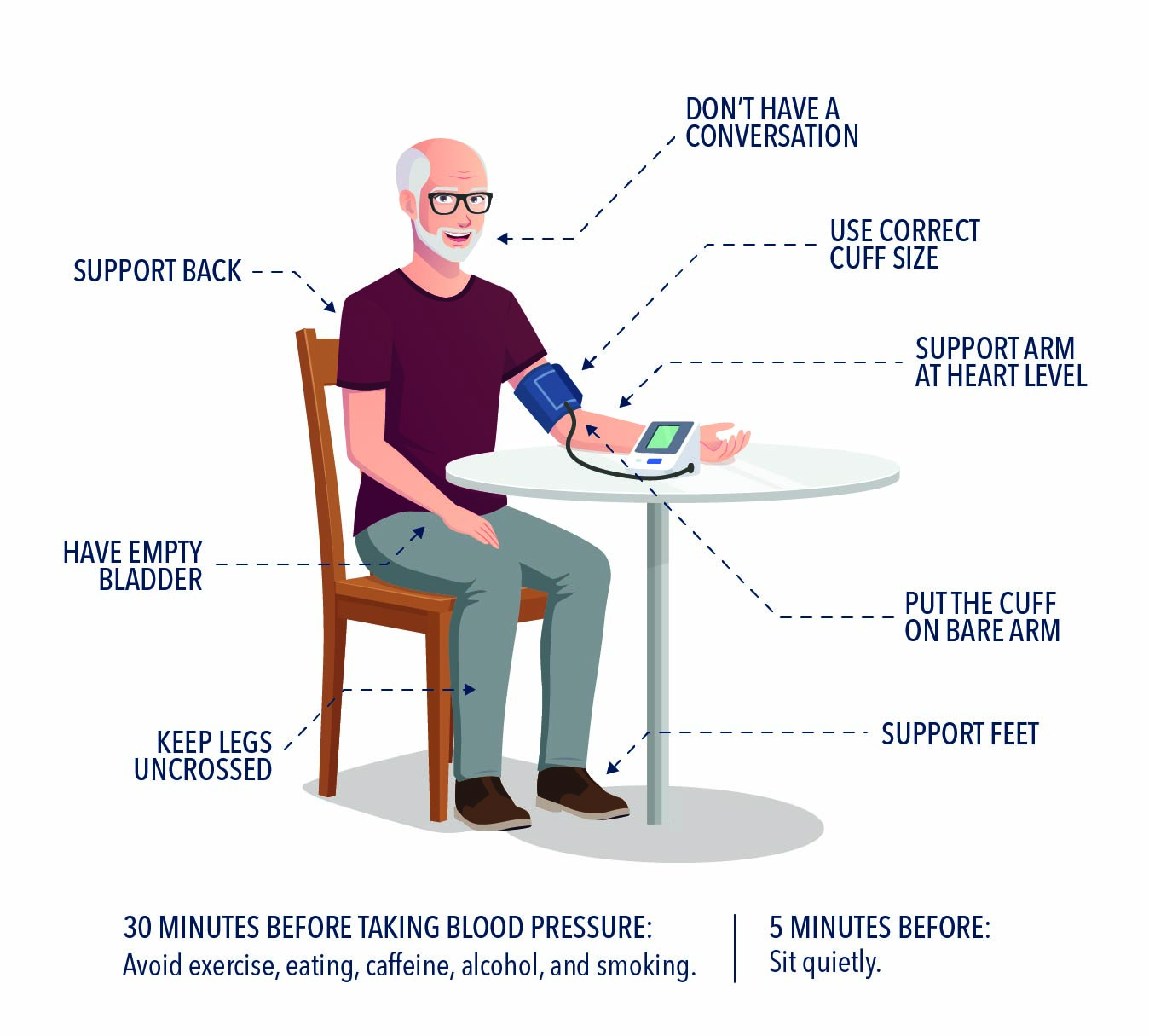
Home monitoring of blood pressure, sometimes called blood pressure self-monitoring, can be a simple and effective way for people with hypertension to improve blood pressure control. It provides a better overall picture of blood pressure control during day-to-day life. It can also guide blood pressure management between visits. This can help bring blood pressure under control more quickly and with fewer doctor’s appointments.
VDH supports several programs that provide blood pressure self-monitoring education and support.
The type of blood pressure device is also important to make sure you get an accurate reading. The gold standard for accuracy is a blood pressure measured manually by a trained medical professional using an upper arm cuff. However, there are many high quality automatic blood pressure monitors that have been validated to provide accurate readings in both clinic and home settings. A list of validated devices can be found at validatebp.org. Monitors that use upper arm cuffs are more accurate than wrist and finger blood pressure monitors.
VDH has produced a video that reviews how to monitor your blood pressure at home.
Printable resources to track blood pressure measurements
What do I do if I get a high reading?
If you get a high blood pressure reading at a screening event or a medical appointment (dentist, eye doctor, physical therapy), it is important to follow-up with your primary care provider. A single elevated reading is not a cause for alarm (unless it is over 180/120 as discussed below), but it is something that should be taken seriously. Ask for a written or printed copy of the high reading and bring that with you to your appointment with your PCP. Your PCP will recheck your blood pressure to confirm if it is elevated. They can also determine what treatment, if any, is needed. If you would like to take some action while you wait for the appointment with your PCP, you can start making healthy lifestyle choices that can lower blood pressure. You can also consider getting your blood pressure rechecked at a pharmacy or getting a home blood pressure monitor and monitoring your blood pressure at home. This will provide additional information on your blood pressure that you can share with your PCP.
A blood pressure higher than 180 on the top number or above 120 on the bottom can be a medical emergency. If you get a reading in this range and are having any concerning symptoms, including headache, vision changes, chest pain, and shortness of breath, call 911. If you are not having any symptoms, sit quietly for 5 minutes and recheck your blood pressure. If it remains above 180/120, contact your primary care provider immediately for further guidance. If it is after office hours or you do not have a primary care provider, seek care at urgent care or the emergency room.
Managing High Blood Pressure
The key steps to managing high blood pressure are:
Know your numbers
Regularly checking and tracking your blood pressure numbers is important. These numbers will help you and your healthcare team know when your blood pressure is in good control. They will also tell you if it is too high and adjustments need to be made. Home blood pressure monitoring can be a helpful addition to clinic readings.
Make healthy lifestyle choices
Healthy lifestyle steps that can help improve blood pressure include:
- Eat less salt. High salt intake causes your body to retain fluid and increases blood pressure. The majority of the salt in the American diet comes from processed and restaurant foods. Eating more fresh, whole foods like fruits and vegetables and more meals cooked at home can help reduce salt intake and blood pressure. When you eat processed foods, look at the nutrition labels and choose lower salt options. The DASH (Dietary Approaches to Stop Hypertension) eating plan is a low salt, heart healthy approach to eating that has been proven to lower blood pressure.
- Get more physical activity. Physical activity reduces resting blood pressure and improves heart health. The goal is to try to get 150 minutes a week of moderate intensity physical activity each week.
- Maintain a healthy weight. For people who are overweight, modest weight loss can improve blood pressure. Ten pounds of weight loss is associated with a 4-5 point reduction in both systolic and diastolic blood pressure.
- Don’t smoke. Smoking raises blood pressure and damages your heart and blood vessels. If you need help to stop smoking, Quit Now Virginia has helpful resources.
- Limit alcohol. High levels of alcohol intake can increase blood pressure. If you drink, keep your intake at no more than 1 drink a day if you are a woman and 2 drinks a day if you are a man.
- Manage stress. Stress raises blood pressure and makes it harder to maintain other healthy habits. Sometimes stress is unavoidable, but try to find healthy ways deal with stress. Some ideas include exercise, yoga, meditation, time in nature, and time with friends.
- Get a good night’s sleep. Getting too little sleep can raise blood pressure. Aim for 7-9 hours of sleep a night. Talk to your health care provider if you are unable to get high quality sleep, especially if you have symptoms of sleep apnea. Sleep apnea is a common sleep disorder that increases the risk of high blood pressure. Symptoms of sleep apnea include loud snoring, pauses in breathing while sleeping, and excessive daytime sleepiness.
Take medications if needed
Most people with high blood pressure will need at least one medication to control their blood pressure.
If your health care provider recommends that you take medication for your blood pressure, you are not alone and it does not mean that you have failed. While healthy lifestyle changes are helpful, sometimes they are not enough. Medications can play an important role in lowering blood pressure and improving health.
The good news is that there are a lot of safe, effective, and affordable medications that can help control blood pressure. Work with your healthcare team to come up with a plan that works for you. And if you have trouble with side effects or costs of medication, talk to your healthcare provider or pharmacist to find a better option.
资源
Blood pressure management programs
Virginia Healthy Heart Ambassador Blood Pressure Self-Monitoring Program
The Virginia Healthy Heart Ambassador Blood Pressure Self-Monitoring Program (HHA-BPSM) is a 4-month program focused on home blood pressure monitoring and nutrition education. It serves adults who have been diagnosed with high blood pressure or are taking medications to lower blood pressure. It is available at multiple sites in Virginia.
压力之下的妈妈们
The Moms Under Pressure Program supports pregnant women and new moms who have been diagnosed with high blood pressure, preeclampsia, or HELLP Syndrome during pregnancy or the postpartum period. Moms Under Pressure empowers women to monitor their blood pressure regularly at home by providing an at-home blood pressure monitoring kit, educational resources, ongoing care coordination, and connections to local resources. It is available at multiple sites in Virginia.